A LITTLE TIME MAKES A BIG DIFFERENCE
By Lori Roberts
A successful professional path rarely comes with a clear map, but for Phi Kappa Psi undergraduates, navigating the complexities of college and post-graduate life just became a lot easier.
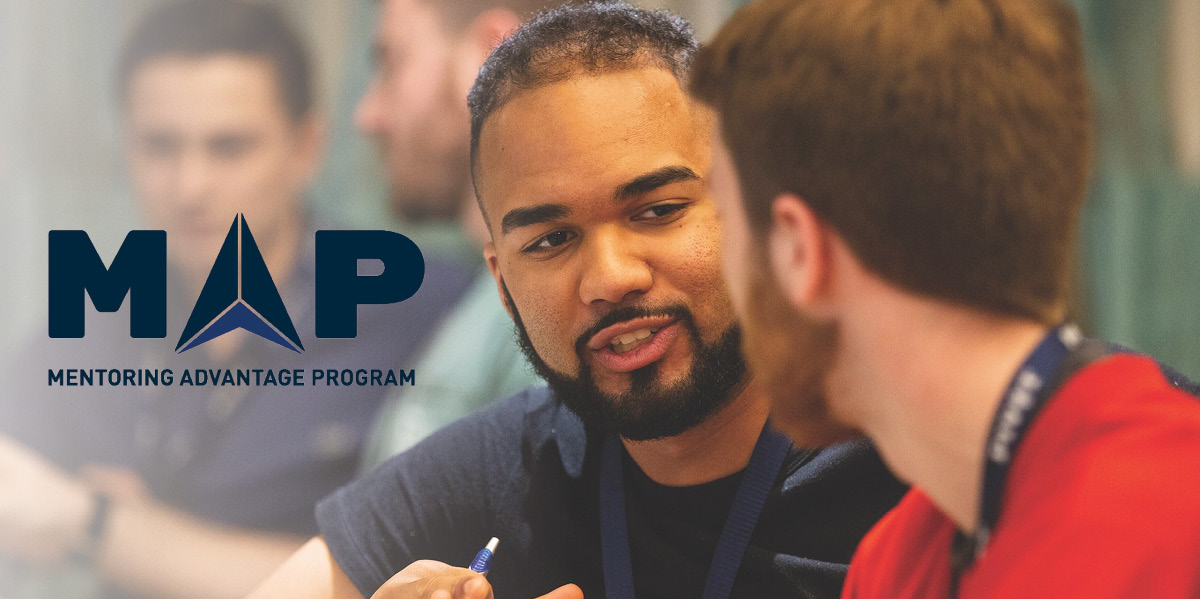
The Wineman Mentoring Advantage Program (MAP) is building a crucial bridge, connecting ambitious student members with experienced alumni for one-on-one guidance that extends far beyond job advice.
“There’s value in having direct access to somebody who has already made the mistakes you’re going to make and has already had the success you’re hoping to have,” said Jordan Raugh Muskingum ’13, Phi Psi’s Director of Mentoring + Alumni Impact.
Fueled by a generous estate gift from alumnus Paul Wineman Washington ’55 and managed by the Nelson Leadership Institute, MAP is strategically pairing students and alumni around the country. Since launching in January 2024, the program has evolved to provide tailored insight into fraternity life, college challenges, and career alternatives. It fills a vital need for chapters that previously lacked a formal mentoring structure.
“Most of our chapters weren’t short on enthusiasm. They were just scratching their heads about where to even find mentors,” Raugh said. “We are working to offer easy solutions.”
MAP keeps it simple and manageable. Interested students and alumni fill out an application, listing their needs and skills. Raugh and chapter advisors then make thoughtful, strategic connections, prioritizing a listening ear and friendly advice. While professional goals guide many requests, Raugh emphasizes that many brothers are seeking more personal insights, focusing on cultural, spiritual, and emotional health alongside career concerns.
Once the connection is made, the ball is in the mentee’s court. Participants are expected to meet six times during the academic year, ideally three times each semester. Mentees get a little help in the form of an introductory email template, but they’re the ones who reach out to schedule meeting times, whether by phone, video call or occasional face-to-face meeting. After each meeting, mentees send a report detailing their conversations and any other pertinent points.
This information can then be shared as needed with the chapters, Raugh said.
“Let’s say I have a meeting with a chapter advisor,” Raugh said. “If I was advising the chapter, I’d want to know that a certain percentage of participants are having conversations about emotional health, for instance. That could lead to chapter-wide conversations.”
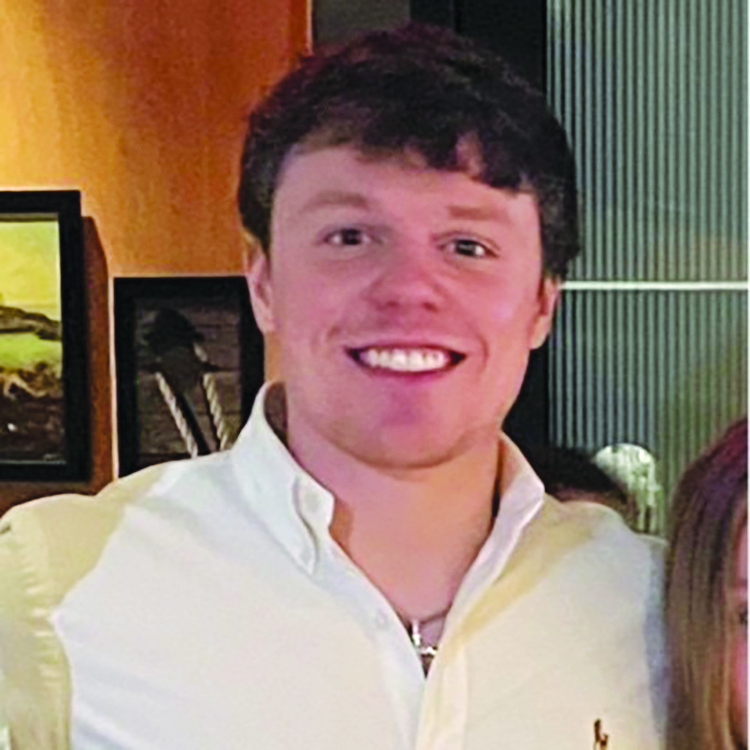
Mumma
Blake Mumma Penn State ’22 found the clear direction he needed through the program. The finance major was paired with Justin Kong UMN Twin Cities ’13, an Associate Director at Nearwater Capital in New York City. Kong didn’t just walk Mumma through the financial world; he talked about the realities of success and the fears associated with it.
“I think the biggest thing he taught me was not being afraid to put yourself out there,” Mumma said. “If you’re scared to fail or you’re scared to make a mistake, you’ll never learn.”
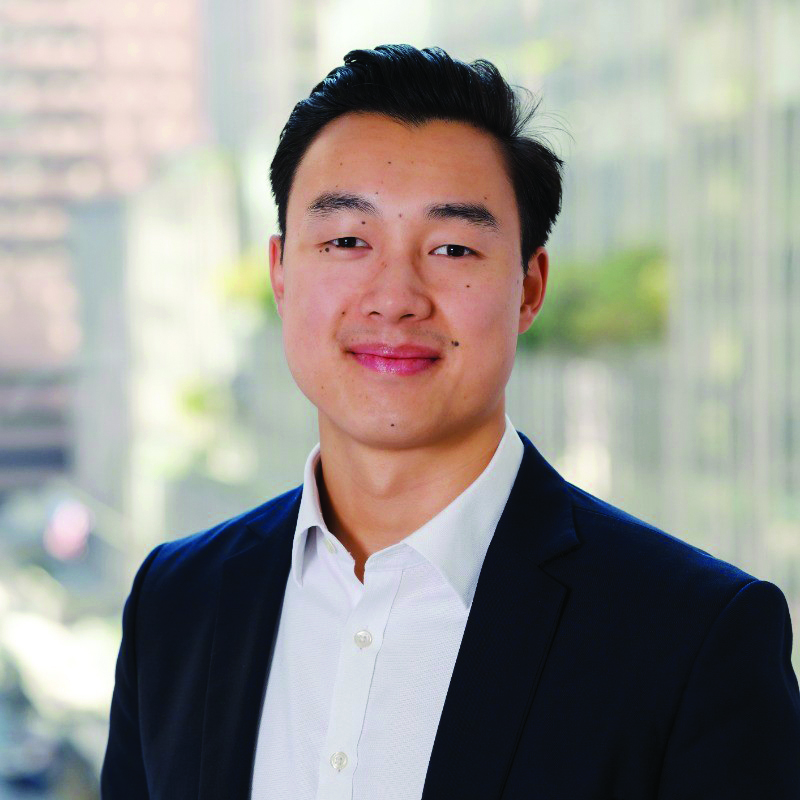
Kong
For his part, Kong has enjoyed getting to know Mumma better and helping him make sense of the investment banking landscape, especially because Mumma also wasn’t coming from a business school background. While Mumma is working in Atlanta as a real estate loan originator analyst, he hopes to return to business school for a master’s degree.
“For me it was trying to give back something that has been so pivotal to my own success,” Kong said.
One of the credos of Phi Kappa Psi is The Great Joy of Serving Others, and MAP fulfills the goal on both sides of the equation. Undergrads like Mumma can gain insights, but alumni also walk away with their own rewards.
“I think having multiple viewpoints in our life is very beneficial and can be very rewarding,” Kong said.
MAP is active in 13 chapters, with a goal of eventually being offered to every chapter. At least 25 percent of a chapter’s members must engage in the program, and 75 percent of participants must complete the six meeting requirements. Mentors are asked to commit to six meetings as well.
“What’s worked best for us is keeping it simple, asking, ‘Could you find six hours over the course of the year to talk with a student about something that matters to you?’” Raugh said.
The time folks are giving is truly making a difference.
“I think the program has a lot of potential, and I think it did a lot for me,” Mumma said.
To learn more and get involved with MAP as a mentor or mentee, click here!